For many in the financial industry, it’s not hard to see banks and financial institutions committed to providing services that are both effective and ethical — but all that work is for nothing if fair and responsible banking practices aren’t carried out successfully.
To achieve that outcome, there must be collaboration, clear communication, and consistent reviews for continuous improvement.
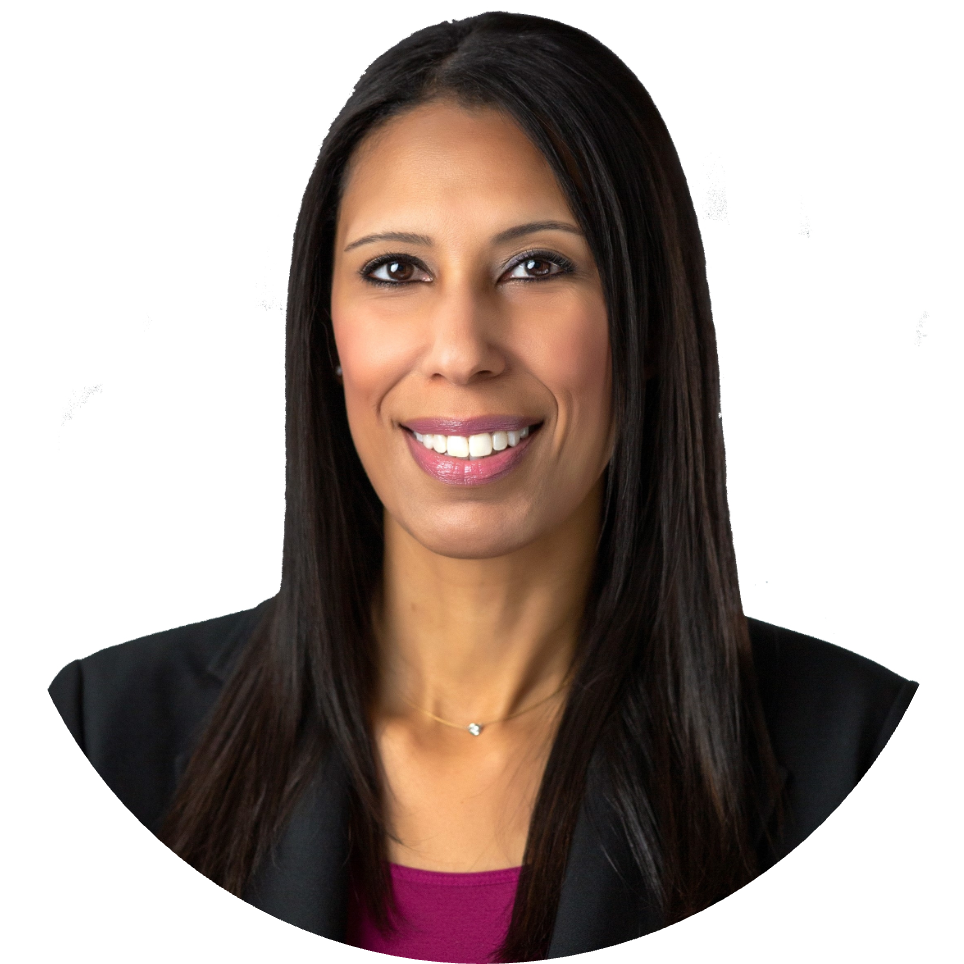
Lindsay Yousif (Executive Director of Compliance at Ally) and Nick Roesler (Fair and Responsible Banking Officer at U.S. Bank) have their fingers on the pulse of fair and responsible banking, with a clear understanding of what it takes to enact best practices.
How to leverage a strong network of banks for guidance and best practices
The CBA gives both Yousif and Roesler a platform where they’re able to work closely with vendors, external groups, consultants, and attorneys, creating a well-rounded foundation for implementing programs.
“We have the opportunity to speak with vendor groups and let them hear voices as to challenges that we have when we're implementing new regulations, or if a program isn't working,” Yousif said.
For example, the new 1071 — or the small business lending rule — recently went through, which requires many institutions to collect data and then submit it on their LAR for small businesses, similar to CRA.
“What we're doing working together is we can find what some of the challenges are,” Yousif said. “What are some of the things that we need to do? How can we make this more simple? And make sure that is part of what's going on with our third parties.”
They also consider questions such as:
- What are the consultants bringing, and are they hearing our challenges?
- Do they understand concerns with day-to-day challenges?
- How can they help us to be more effective and efficient in the work that we do?
“Through our discussions of changing regulations, in the challenges that we have, or questions that we have, we can bring those perspectives,” Roesler said. “Whether it be a one-off question directly facilitated through the CBA or the CBA bringing in regulators as they have to our committee in the past, I think those are all ways we can have this dialogue.”
With the CBA as the “voice on the hill” for fair and responsible banking, efforts are compounded and communal for the betterment of regulations and new expectations.
The power of applying a “strength in numbers” approach in fair and responsible banking
The banking world is a sprawling industry, but pockets of the space are small and tight-knit. There is power in forging friendships and having numbers in your phone you know you can call with any question.
“One of the best parts of being part of CBA is that you’re working with the best in the industry when it comes to fair and responsible banking,” Yousif said. “If there's a consent order that comes out, or I'm in the middle of an examination, at any time, you can call or contact anyone else in our committee group, and they're always available to talk to you.”
That type of camaraderie and support is much needed in a field that has the demands of fair and responsible banking. Though a privilege to work in that department, it comes with its fair share of trials.
“We lean on each other for information and guidance. Sometimes it's just an encouraging word, “Yousif said. “I like to benchmark my program, at least annually, so I can contact anyone within the committee, ask them what they are doing within their programs, so I can look to see if there are any gaps in my program.”
Change happens when there is a unified goal and desired outcome. Don’t be an island or lost in the crowd — lean in, form connections, and leverage them for positive change.
Hiring and retaining talent in fair and responsible banking
Right now, the CBA is on the lookout for the next generation of fair lending officers and responsible banking champions, and it’s easier said than done.
“From a responsible banking perspective, we're focusing a lot more on AI and models. And so that might help to bring in new people who want to look at model validation, how to build models, and on the technical side,” Yousif said. “There's opportunities there, it's just making sure that it's an attractive part to them.”
The goal of fair and responsible banking is to do the right thing for customers, to bring new products and services, and make it an even and fair ground for all customers to have access to products and services.
Any new hires must understand that mission and the regulations emphatically if they want to thrive in the industry.
“This is not a checkbox exercise — not to diminish any other compliance requirements — but it's very meaningful, and I think can impact people in a deeper way than perhaps other risk disciplines,” Roesler said.
Former examiners have an ideal foundation for moving into fair and responsible banking due to their behind-the-scenes knowledge, as do audit teams.
No matter the background, diving into the fair and responsible banking world takes a willingness to truly take action and immerse yourself in the field and make a difference.
Stay tuned for new episodes biweekly on the Leaders in Lending Podcast.